
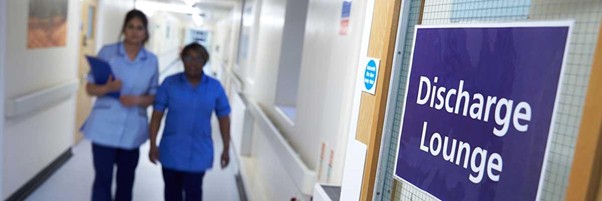
Delays can create bottlenecks with the discharge process. Patients who are medically fit to leave hospital may remain on wards simply because their home environment is not yet suitable. Temporary solutions offer a way to bridge this gap by providing a practical interim step.
The Value of Rapid, Interim Adaptations
Temporary accessible bathrooms—such as modular wetrooms—provide an immediate alternative when permanent works cannot be completed quickly. These solutions can often be installed within days, providing a fully functional and accessible washing facility that allows patients to return home safely.
One example is the WashPod™, a temporary accessible wetroom unit designed for rapid deployment. These modular solutions can be installed externally or within a property as an interim measure, allowing individuals to maintain personal hygiene independently while they recuperate or await permanent adaptations to be completed.
From a system perspective, rapid installations offer several advantages:
- Faster hospital discharge by removing environmental barriers at home.
- Reduced length of stay for patients who no longer require acute care.
- Improved independence and dignity through accessible bathing facilities.
- Reduced demand on community care services, as individuals can manage more of their own personal care.
In practice, these installations help bridge the gap between hospital discharge and longer-term housing adaptations funded through Disabled Facilities Grants or local authority programmes.
Evidence from the Bath-Out 2 Study
Research supports the importance of timely bathing adaptations. The Bath-Out 2 study, a major UK research programme examining accessible shower installations, provides valuable evidence on how early intervention affects patient outcomes. The study investigated whether expedited installation of level-access showers improved health and wellbeing among older adults referred for housing adaptations. Participants were randomly assigned to either receive rapid installation or follow the typical waiting-list process.
Findings demonstrated clear benefits from earlier installation:
- Improved physical wellbeing scores among participants receiving faster adaptations.
- Significant reduction in falls, with the expedited group experiencing around 70% fewer falls.
- Substantial improvements in independence, particularly in bathing and daily living activities.
- Cost savings, averaging more than £1,100 per person in health and social care expenditure.
The study concluded that providing accessible showers earlier can prevent the decline in health and independence often associated with delayed adaptations. By addressing bathing difficulties quickly, it helps avoid a cycle of reduced mobility, increased care needs and higher healthcare costs.
These findings have clear implications for discharge planning and the role of temporary adaptations.
Bridging the Gap Between Hospital and Home
Temporary solutions such as modular wetrooms align closely with the evidence from Bath- Out 2. By providing immediate access to safe bathing facilities, they effectively replicate the benefits of early adaptation while permanent works are arranged.
In many cases, the timeline for permanent bathroom conversions can extend for several months due to design work, structural alterations or funding approvals and there are plenty of occasions when a complete recovery is expected and full adaptations are not needed.
For NHS trusts and local authorities working within integrated care systems, these interim solutions can form part of a wider discharge strategy that includes:
- Rapid occupational therapy assessments.
- Equipment provision such as grab rails or shower seats.
- Short-term reablement services.
- Other temporary adaptations to support independence at home.
By combining these elements, the system can respond more flexibly to individual needs while reducing strain on hospital capacity.
Supporting Integrated Health and Social Care
The growing emphasis on community-based care means collaboration between health services and local authorities is more important than ever. Home adaptations sit at the intersection of these systems, affecting both healthcare outcomes and social care provision.
By embracing temporary and rapid solutions, health and social care providers can ease system pressures while delivering better outcomes for patients. In doing so, they not only improve hospital efficiency but also support individuals to recover where they are most comfortable—at home.
Most importantly, they support the central principle of modern care policy: enabling people to live independently in their own homes for as long as possible.