New Plans for Social Care Reform
Last week, social care returned to the centre of national discussion, with the new Prime Minister, Andy Burnham, focusing his attention on how the system could be reformed, funded and more closely connected with the NHS.
It was welcome to hear Burnham emphasising the need for social care to be considered alongside the NHS, describing in his speech the that the two systems were “intrinsically linked” and that improvements in social care would be necessary to reduce pressure on hospitals and support patients throughout the care pathway.
This isn’t a new approach, however, and the Home First concept has been in play since the 2010s before being mandated nationally by the NHS in 2020.
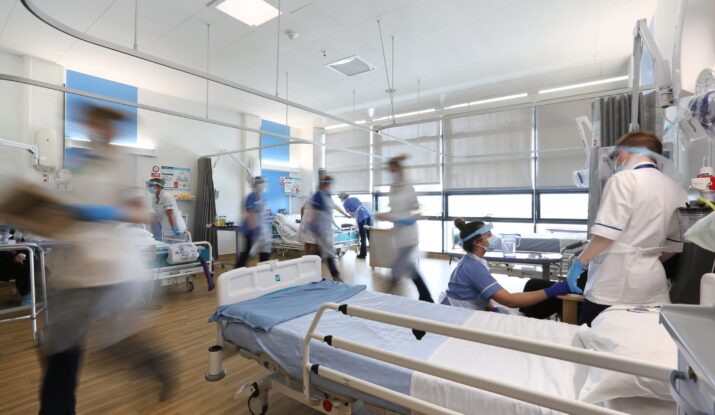
Also highlighted was the scale of delayed hospital discharge. In June, an average of 13,600 people were medically fit to leave hospital but could not be discharged, while approximately 3,000 patients receiving corridor care every day.
These figures demonstrate how shortages in community care can affect the wider healthcare system. Hospitals may be unable to admit new patients when beds remain occupied by people who no longer require acute medical treatment but cannot yet return home safely.
Barriers to discharge can include delays in arranging care packages, specialist equipment or suitable home adaptations. In some cases, a person may be able to return home but lack accessible washing and bathing facilities that meet their current needs.
This is where rapid and temporary solutions may offer significant benefits. The WashPod™ range of modular, disabled wetrooms can be deployed in days and installed in a home in hours without adaptations or disruption.
Burnham envisages a future system that provides care at home wherever possible, helping people remain in familiar surroundings and reducing unnecessary stays in hospital. He also called for a more integrated approach that enables patients to move from home to hospital and back again without avoidable delays.
But it’s important that a third area of Local Government is brought into play in this scenario – that of Housing. Unless the NHS, Social Care and Housing are all on the same page, there will be confusion and delay.
For occupational therapists, hospital discharge teams, local authorities and community care professionals, temporary adaptations can offer a practical way to bridge the hygiene gap while permanent works or longer-term arrangements are being completed.
The full structure and funding of the proposed reforms have not yet been confirmed. However, the accelerated review and renewed focus on integration indicate that hospital discharge, home- based support and cooperation between health, housing and social care services will remain central to the discussion.
The commitment to speed up Baroness Casey’s review and consideration of a National Care Service, is a good move as too many people are suffering unnecessarily due the widespread lack of a joined up approach.
Read our latest blog to learn how temporary home adaptations can help ease discharge pressures and support faster, safer hospital discharge: Easing the Wheels of Effective Patient Flow in Hospitals